Automation has become a crucial part of various industries, revolutionizing the way tasks are performed and improving efficiency and productivity. With advancements in technology, the landscape of automation continues to evolve rapidly, leading to the development of innovative solutions that streamline processes and drive growth. In this article, we will explore the technologies that are at the forefront of automation innovation and shaping the future of industries worldwide.
Artificial Intelligence (AI) and Machine Learning
Artificial Intelligence (AI) and Machine Learning are technologies that have significantly impacted the automation landscape. AI enables machines to simulate human intelligence processes, allowing them to learn from data, recognize patterns, and make decisions with minimal human intervention. Machine Learning, a subset of AI, involves training machines to learn and improve from experience, making them adept at handling complex tasks. These technologies are being extensively used in automation to enhance predictive maintenance, optimize workflows, and enable autonomous decision-making.
Robotics
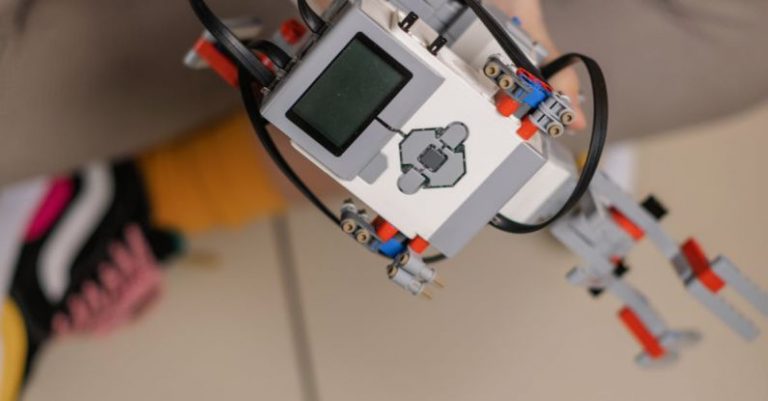
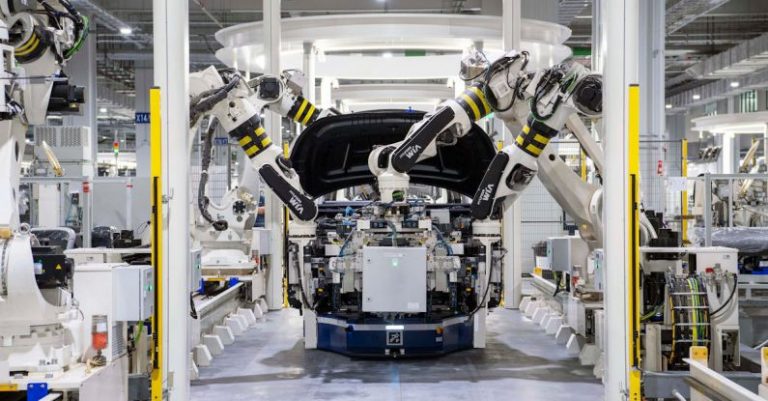
Robotics plays a pivotal role in automation innovation across various industries. Robots are being increasingly deployed to perform tasks that are repetitive, dangerous, or require precision. Collaborative robots, or cobots, are designed to work alongside humans, enhancing efficiency and safety in the workplace. With advancements in robotics technology, robots are becoming more dexterous, versatile, and capable of handling a wide range of tasks, from assembly and pick-and-place operations to complex surgical procedures.
Internet of Things (IoT)
The Internet of Things (IoT) is another technology driving automation innovation by connecting physical devices and enabling them to communicate and exchange data. IoT devices embedded with sensors and actuators can collect real-time data, monitor performance, and trigger actions based on predefined conditions. In automation, IoT facilitates the creation of smart systems that can optimize energy consumption, improve asset utilization, and enable remote monitoring and control of processes.
Blockchain
Blockchain technology is revolutionizing automation by providing a secure and transparent way to record transactions and track assets across a network. By leveraging blockchain, automation processes can be streamlined, and trust among participants can be established without the need for intermediaries. Smart contracts, self-executing contracts with the terms of the agreement directly written into code, are being used in automation to automate and enforce contract execution, reducing the need for manual intervention and minimizing the risk of fraud.
Augmented Reality (AR) and Virtual Reality (VR)
Augmented Reality (AR) and Virtual Reality (VR) are technologies that are reshaping automation by enhancing visualization, training, and maintenance processes. AR overlays digital information onto the physical world, providing real-time guidance and instructions to workers in fields such as manufacturing and logistics. VR creates immersive simulated environments that enable users to experience and interact with virtual objects and scenarios. In automation, AR and VR are being used for training simulations, remote assistance, and maintenance procedures, improving overall operational efficiency.
Cloud Computing
Cloud computing is a key technology driving automation innovation by providing on-demand access to computing resources, storage, and applications over the internet. Cloud-based automation solutions offer scalability, flexibility, and cost-effectiveness, allowing businesses to deploy and manage automation processes efficiently. By leveraging cloud computing, organizations can benefit from enhanced data security, real-time collaboration, and seamless integration of automation systems with existing infrastructure.
Cybersecurity
Cybersecurity is a critical aspect of automation innovation, considering the increasing connectivity of devices and systems. With automation processes becoming more interconnected and data-driven, ensuring the security and integrity of information is paramount. Robust cybersecurity measures, such as encryption, authentication, and intrusion detection systems, are essential to safeguard automation systems from cyber threats and unauthorized access. By prioritizing cybersecurity, organizations can mitigate risks, protect sensitive data, and maintain the reliability of automated processes.
Innovating Towards a Smarter Future
As technology continues to advance at a rapid pace, the possibilities for automation innovation are endless. By embracing cutting-edge technologies such as Artificial Intelligence, Robotics, Internet of Things, Blockchain, Augmented Reality, Virtual Reality, Cloud Computing, and Cybersecurity, industries can drive efficiency, productivity, and competitiveness to new heights. The convergence of these technologies is paving the way for a smarter future, where automation is not just a tool but a strategic imperative for businesses looking to thrive in a digital world.